
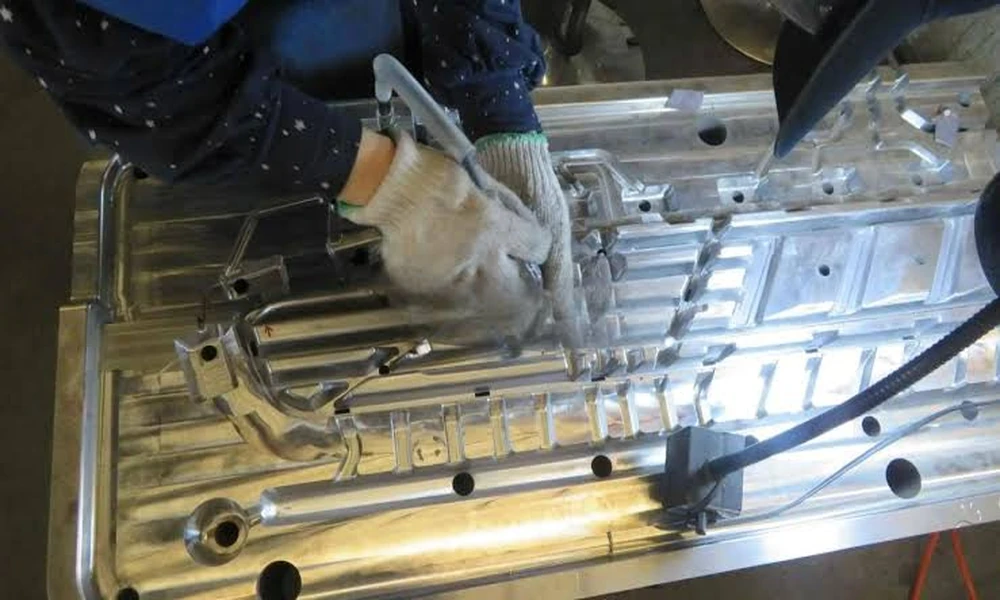
Factory floors rarely stay quiet for long. Machines continue moving, production teams monitor every stage, and finished components gradually fill inspection tables before reaching customers. During conversations surrounding manufacturing methods, vietnam die casting frequently appears while discussing efficient production for complex aluminium components across modern industrial sectors. Precision remains visible throughout every stage, from Mold preparation to the finished metal surface, creating confidence before the next production cycle begins.
Precision Starts Early
- Careful Mold preparation supports smooth metal flow during every production cycle.
- Accurate temperature monitoring keeps material behaviour consistent throughout repeated manufacturing operations.
- Regular equipment inspection reduces unexpected interruptions across demanding industrial schedules.
- Skilled machine operators notice minor changes before larger production concerns appear.
Reliable Parts Every Cycle
High pressure casting creates detailed components with consistent dimensions across larger production runs. Thin sections, complex shapes, and smooth surfaces remain achievable when equipment operates under stable conditions.
Manufacturing teams frequently compare finished components from different batches. Similar dimensions, surface quality, and overall appearance quietly demonstrate stable production without drawing unnecessary attention.
Daily operations continue with predictable routines because consistency matters across every manufacturing shift.
Materials Shape Performance
Aluminium alloys remain common across industries requiring lightweight yet durable components. Automotive assemblies, industrial equipment, and mechanical housings frequently depend on cast aluminium because weight reduction and structural reliability remain valuable together.
Discussions about global production occasionally include vietnam die casting while comparing manufacturing capabilities, production planning, and component quality across different supply networks. Attention generally stays focused on repeatable processes rather than isolated production numbers.
| Manufacturing Stage | Primary Focus | Typical Observation |
|---|---|---|
| Tool preparation | Mold condition | Clean working surfaces |
| Metal melting | Stable temperature | Uniform material quality |
| High pressure injection | Controlled filling | Accurate component shape |
| Cooling process | Consistent timing | Reliable surface finish |
| Final inspection | Dimensional verification | Repeatable production quality |
Small Details Matter
Finished parts rarely depend on one manufacturing step alone. Tool condition, machine calibration, alloy quality, and operator experience quietly combine throughout production. Minor variations become easier to identify when inspection routines remain consistent.
Production teams usually recognize familiar patterns after repeated manufacturing cycles. Slight differences stand out naturally because experience builds through observation instead of assumptions.
Modern Production Expectations
Manufacturing expectations continue evolving alongside changing technology. Digital monitoring, automated inspection systems, and improved tooling contribute to greater consistency without replacing experienced production teams. Human observation still remains valuable beside advanced manufacturing equipment.
Finished components quietly move toward assembly lines after passing inspection, becoming small but essential parts inside larger industrial products. Their role may remain unseen by everyday users, yet careful manufacturing continues supporting dependable performance every working shift.
Production lines rarely pause once everything moves together smoothly. Careful planning, experienced operators, dependable equipment, and consistent inspection quietly shape every finished component before it becomes part of something much larger.