
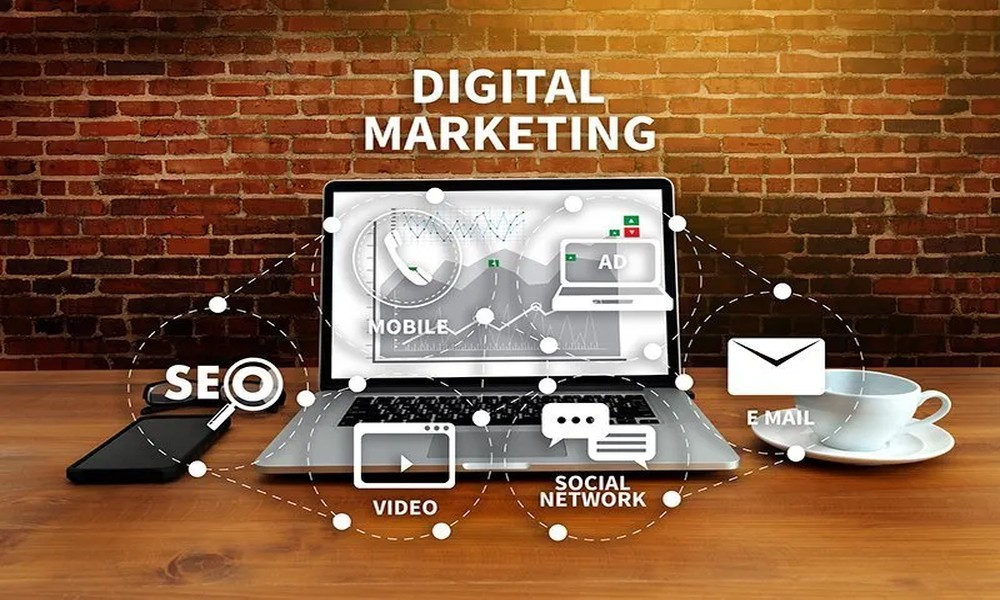
In today’s fiercely competitive internet market, long-term success is mostly dependent on visibility, consumer trust, and engagement. Every day, consumers engage with companies via email campaigns, mobile devices, social media platforms, websites, and search engines. Companies are depending more and more on integrated digital marketing strategies, which incorporate many internet channels into a single coordinated strategy, as a result of this change in customer behavior.
Businesses increasingly concentrate on developing consistent experiences that lead clients through each step of the purchasing process rather than using discrete marketing strategies. In order to create integrated strategies that improve customer engagement, brand awareness, and business growth, many companies choose to work with the digital marketing agency Webolutions.
Developing A Unified Brand Message
Consistency is one of the main benefits of integrated digital marketing. Consumers often use one platform to find a business and then move on to another. Before completing a purchase, for instance, a customer may first view an advertisement on social media, then go to the company’s website and sign up for an email newsletter.
Customers may lose faith in the company if the message, tone, and design are inconsistent across different media. Integrated marketing techniques support companies in preserving a cohesive brand that increases trust and recognition. In congested online marketplaces, consistency also makes it easier for buyers to remember a company.
Increasing Interaction With Customers On All Platforms
Consumers now anticipate that companies will connect with them via a variety of media. While some consumers primarily communicate via social media or search engines, others prefer email updates. Businesses can reach consumers wherever they spend their time online with integrated digital marketing.
Brands may build seamless consumer experiences by integrating site development, social media management, paid advertising, search engine optimization, and content marketing. Instead of depending only on one communication channel, this strategy keeps prospective clients involved throughout the decision-making process.
Companies that continue to actively connect across platforms are often better at fostering repeat business and client loyalty.
Using Data To Improve Marketing Decisions
Businesses may get useful performance statistics via digital marketing. Integrated strategies allow companies to analyze customer behavior across multiple channels instead of reviewing each platform separately.
Businesses may monitor, for instance, how customers go from a social media advertisement to a landing page and ultimately make a purchase. These insights help companies understand which marketing activities generate the best results.
Data-driven strategies also allow businesses to adjust campaigns quickly, improve customer targeting, and reduce unnecessary marketing expenses. This level of flexibility is one of the reasons modern brands increasingly invest in integrated marketing systems.
Enhancing Website Performance And User Experience
A business website often serves as the central hub of digital marketing activities. Integrated strategies ensure that websites are optimized for user experience, mobile responsiveness, search visibility, and lead generation.
Modern consumers expect websites to load quickly, function smoothly on mobile devices, and provide clear information. When web development works together with SEO, content marketing, and advertising strategies, businesses can create websites that not only attract visitors but also convert them into customers.
A strong user experience improves customer satisfaction and increases the likelihood of long-term engagement with the brand.
Adapting To Rapidly Changing Consumer Behavior
Consumer preferences continue to evolve as technology changes. Businesses that rely on outdated marketing methods often struggle to remain competitive. Integrated digital marketing strategies help brands stay adaptable by allowing them to monitor trends and respond quickly to changing customer expectations.
Whether it involves short-form video content, AI-powered personalization, voice search optimization, or mobile-first experiences, integrated marketing systems allow businesses to remain flexible in rapidly changing digital environments.
In Conclusion
Modern brands depend on integrated digital marketing strategies because today’s customers interact with businesses through multiple online channels before making decisions. By combining SEO, content marketing, social media, advertising, and website optimization into one connected strategy, businesses can improve visibility, customer engagement, and overall performance.
Integrated marketing not only strengthens brand consistency but also provides the flexibility needed to adapt to changing digital trends. Businesses that invest in linked digital initiatives have a higher chance of long-term, sustainable success as online competition continues to develop.