
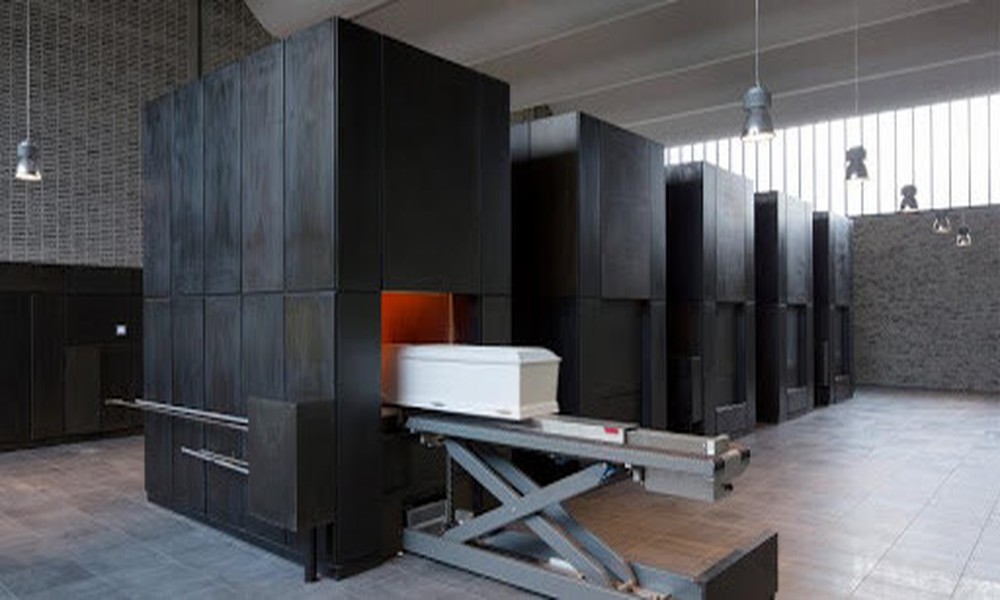
Cremation has become the most frequently selected option by families who make funeral arrangements. Many select cremation because it provides them with multiple options for handling their remains after death.
Families receive support from crematorium services that handle the entire cremation procedure on their behalf. The cremation services ensure that the deceased is treated with dignity and professional standards. It is crucial for families to learn about crematorium services. They are facing emotional challenges during these times. And this can help them make smart decisions.
Introduction to Crematorium Services
Crematorium services involve the process of cremating a deceased in a specialized facility. This is designed for respectful handling and memorial care. A crematorium uses advanced equipment for this process. This allows them to reduce the body to ashes. The ashes are then returned to the family in an urn or chosen container. The cremation services often include transportation and preparation of essential documents. They may also provide support for funeral arrangements.
Types of Cremation Services
Families can customize their cremation services through their personal preferences. Their religious practices and family requirements are respected. The family members can choose direct cremation that takes place without any prior formal funeral service.
On the other hand, family members can also choose between two options – a traditional funeral or a memorial service. This occurs before the cremation or after it. Funeral homes often offer families the option to hold memorial services at their facilities. Some prefer to have the memorial service at places of worship or at their residences.
Understanding The Cremation Process
The cremation process is performed by certified personnel. They are familiar with proper handling methods and professional expertise.
- Identification Verification. The crematorium conducts this and processes the legal documents required before initiating the cremation process.
- Cremation Process. The body enters the cremation chamber. It is processed using extreme temperatures to transform the body into ashes.
- Family Receives Ashes. The family receives the ashes after the cremation process. This will be returned to them in an urn or container that they chose during the planning.
Legal and Documentation Requirements
Cremation services require specific legal documents. This must be obtained before the cremation process can start. These documents must be signed by family members or legal representatives.
Crematorium staff members often help families with processing the required paperwork. The documentation that are needed for the cremation process includes the following:
- Death certificate
- Cremation authorization form
- Government-issued identification document of the deceased.
- Identification of next of kin or authorized representative.
- Burial or cremation permit.
- Medical certificate of cause of death.
- Funeral service agreement documents.
Planning for Memorial and Ash Placement
Families have several options when deciding what to do with cremated remains. Some decide to keep the ashes in decorative urns that families can display at home. Clothes choose to bury/scatter the remains or place them in a columbarium. Each family has different beliefs about cremation practices. Some families also choose memorial jewelry or keepsakes. They may keep a small portion of the ashes as a personal remembrance.
In addition, the process of making funeral arrangements may differ for each family. Funeral homes work with crematorium providers to create a compassionate process. This helps families navigate their way through difficult times. The services help families develop special tributes that create lasting memorials of their deceased family members.
Conclusion
Crematorium services give families flexible ways to commemorate their deceased relatives. Understanding the cremation process supports families through this emotional journey. The crematorium services allow families to create memorable ways to honor their departed loved ones. This helps them find relief from this emotional burden.